


Blogs
How to Reduce Restocking Delays as an Appliance Retailer

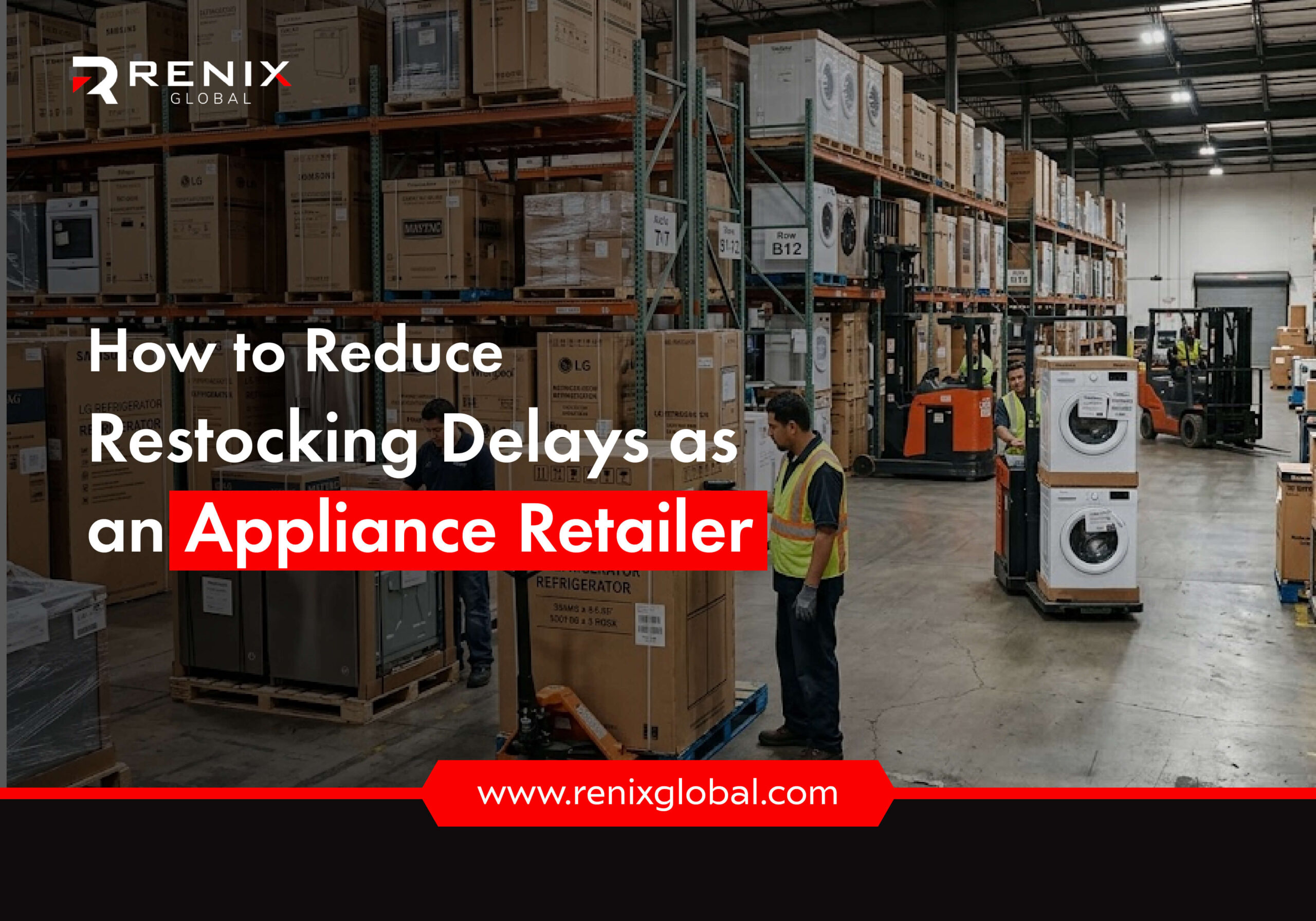
Few things hurt an appliance retailer’s bottom line quite like a customer walking in ready to buy, only to find the model they want is out of stock with no clear timeline for when it will arrive. Restocking delays do not just cost you a single sale, they chip away at customer trust and can push buyers toward a competitor for future purchases as well. The good news is that most restocking delays are preventable with the right systems in place.
Here is how appliance retailers can tighten up their restocking process and keep inventory flowing more reliably.
Understand Where Delays Actually Come From
Before fixing the problem, it helps to know where restocking delays typically originate. In most cases, they come from one of a few sources.
- Reactive ordering. Waiting until a product is nearly or completely sold out before placing a reorder leaves little room for error.
- Unreliable supplier lead times. If your distributor cannot consistently deliver within a predictable window, planning around their timelines becomes difficult.
- Poor inventory visibility. Without accurate, real time stock tracking, it is easy to misjudge how much inventory you actually have left.
- Limited supplier relationships. Relying on a single source with no backup options leaves you exposed if that supplier experiences a delay or shortage.
Strategies to Reduce Restocking Delays
1. Set Reorder Points Based on Data, Not Instinct
Rather than reordering when a shelf looks empty, use historical sell through data to set a specific reorder point for each model. This means identifying the stock level at which a new order should automatically be triggered, giving you enough lead time to restock before you actually run out.
2. Work With a Distributor Known for Reliable Lead Times
Your restocking speed is only as good as your supplier’s fulfillment process. A distributor with strong nationwide shipping infrastructure and consistent order processing timelines makes it far easier to plan inventory accurately, since you are working with predictable numbers rather than guesswork.
3. Improve Communication With Your Supplier
Delays are often made worse by poor communication rather than the delay itself. Establish a clear point of contact with your distributor and ask for proactive updates on order status, especially for high demand categories like refrigerators or laundry appliances during peak seasons.
4. Diversify Where It Makes Sense
While consolidating with a primary distributor often improves pricing and consistency, it is worth understanding your options for backup sourcing on your highest demand categories. This does not mean spreading orders thin across many suppliers, but rather having a clear plan if your main distributor experiences an unexpected shortage.
5. Forecast Around Seasonal Demand
Many restocking delays happen because demand spikes catch retailers off guard. Refrigerators and freezers often see increased demand ahead of hurricane season in coastal regions, while cooking appliances and dishwashers tend to pick up around the holidays. Building a seasonal forecast and placing orders ahead of these predictable spikes reduces the chance of scrambling for inventory at the last minute.
6. Keep Inventory Tracking Accurate and Centralized
If your inventory counts are not accurate, even a well planned reorder system will fail. Make sure your point of sale system and warehouse counts stay synced, and audit stock levels regularly to catch discrepancies before they turn into stockouts.
7. Build Buffer Stock for High Velocity Models
For your fastest moving models, a small buffer of extra inventory can prevent a delay from turning into a lost sale. This does not need to apply to your entire catalog, just the models that consistently sell quickly and would be most costly to be without.
The Real Cost of Restocking Delays
It is easy to think of a restocking delay as a short term inconvenience, but the impact often runs deeper. A customer who cannot get the appliance they want today may not wait around, they may simply purchase elsewhere. Beyond the lost sale, repeated stockouts can quietly damage your reputation as a dealer customers can rely on, which affects repeat business and referrals over time.
Final Thoughts
Reducing restocking delays comes down to better data, stronger supplier relationships, and proactive planning rather than reactive ordering. By setting clear reorder points, working with a distributor known for consistent lead times, and forecasting around seasonal demand, appliance retailers can keep their shelves stocked and their customers satisfied, even during the busiest periods of the year.

